Trench shoring systems play a critical role in keeping excavation projects safe, efficient, and compliant with safety regulations. Any project involving trenches, whether for utilities, pipelines, drainage, or infrastructure, carries inherent risks if proper support systems are not in place. Soil collapse, shifting ground, and unstable trench walls can lead to serious injuries, project delays, and costly penalties. This is why trench shoring systems are not optional but essential for modern excavation work.
Construction companies, contractors, and utility crews rely on trench shoring systems to protect workers and maintain stable work environments below ground level. From trench box rentals to trench plates and full excavation support systems, the right equipment allows crews to work with confidence while meeting required safety standards. Reliable shoring equipment helps projects move forward smoothly while minimizing risk and downtime.
Understanding how trench shoring systems work and where they are applied helps decision makers choose the right solutions for their excavation projects. This guide explains why trench shoring matters, how it is used, and what makes it a key component of safe excavation practices.
Why Trench Shoring Systems Are Essential for Excavation Safety
Excavation work exposes crews to some of the most dangerous conditions on a construction site. Trenches can collapse without warning due to soil movement, water infiltration, vibration from nearby equipment, or changes in weather. Even shallow trenches can pose serious hazards if not properly supported.
Trench shoring systems are designed to hold trench walls in place and prevent cave-ins. By stabilizing the surrounding soil, these systems create a protected space where workers can safely perform tasks such as pipe installation, repairs, and inspections. This protection reduces the risk of injury and allows crews to focus on productivity rather than constant safety concerns.
Beyond worker safety, trench shoring systems also protect the integrity of the project. Collapsed trenches can damage installed utilities, disrupt schedules, and require costly rework. Proper shoring helps maintain consistent trench dimensions, ensuring that installations are completed accurately and efficiently.
Regulatory Requirements and Trench Safety Standards
Safety regulations play a major role in excavation planning. In the United States, excavation and trenching work is governed by strict guidelines that require protective systems when trenches exceed certain depths or soil conditions are unstable. These rules exist to reduce accidents and fatalities associated with trench collapses.
Trench shoring systems are one of the primary methods used to meet these safety requirements. Using approved excavation support systems demonstrates a commitment to compliance and worker protection. Contractors who fail to follow trench safety standards risk fines, work stoppages, and legal consequences.
Compliance is not just about avoiding penalties. Following safety standards also improves job site organization and planning. Projects that prioritize trench safety tend to experience fewer disruptions, better morale among workers, and stronger overall performance.
A Brief History of Trench Shoring Systems
The need for trench support has existed for as long as humans have dug into the ground. Early construction relied on manual bracing and timber supports to stabilize trench walls. While effective to some extent, these methods were labor intensive and inconsistent.
As construction projects grew in scale and complexity, more reliable solutions were developed. Modern trench shoring systems evolved to provide stronger, reusable, and adjustable support structures. Steel trench boxes, hydraulic shoring systems, and engineered support frames replaced older methods and significantly improved safety.
Today’s trench shoring systems are designed with precision engineering. They are built to withstand soil pressure, accommodate various trench depths, and adapt to different ground conditions. This evolution has made trench shoring an essential part of professional excavation work.
Types of Trench Shoring and Excavation Support Systems
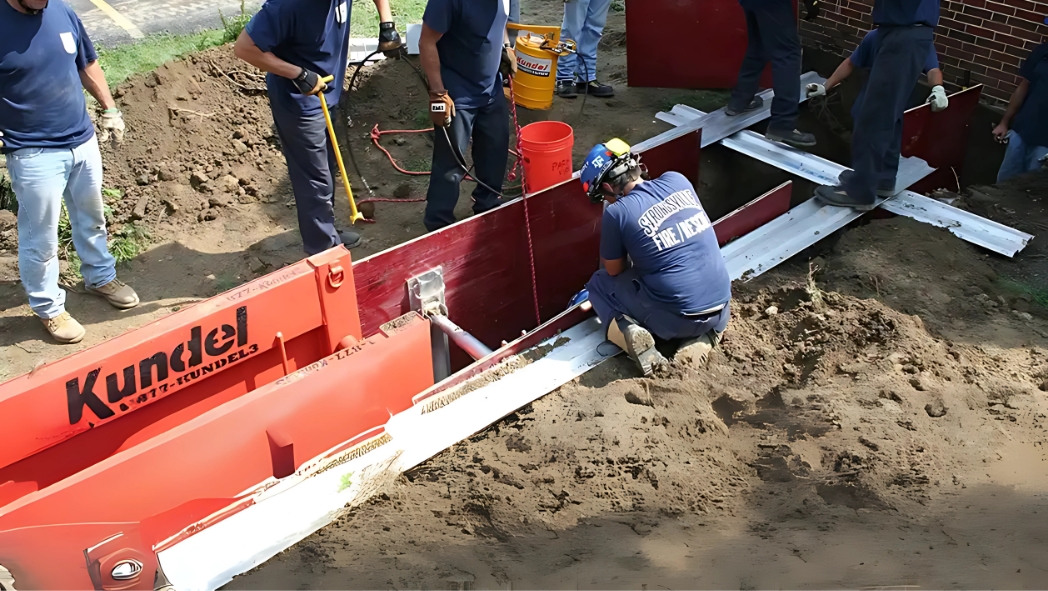
There are several types of trench shoring systems available, each suited to different project requirements. Trench boxes are among the most commonly used solutions. These heavy-duty steel structures are placed inside the trench to protect workers from collapsing walls. Trench box rentals are popular because they provide flexibility and reduce the need for long-term equipment ownership.
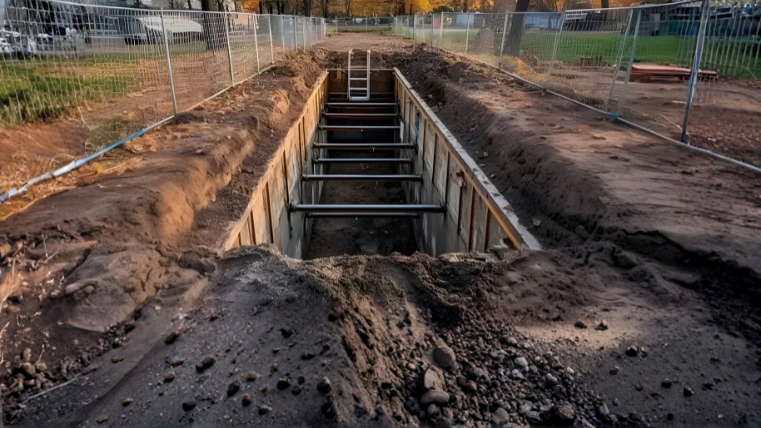
Hydraulic shoring systems use adjustable hydraulic cylinders to apply pressure against trench walls. These systems are ideal for situations where space is limited or where trench dimensions vary. Hydraulic shoring allows for precise control and quick installation, making it a practical choice for many utility projects.
Trench plates are another important component of excavation safety. They are used to cover open trenches, allowing pedestrian or vehicle traffic to pass safely over excavation areas. Trench plates rentals are commonly used in urban environments where minimizing disruption is critical.
Choosing the right combination of shoring equipment depends on trench depth, soil type, project duration, and site conditions. Understanding these factors helps contractors select the most effective excavation support systems.
Real-World Applications of Trench Shoring Systems
Trench shoring systems are used across a wide range of construction and infrastructure projects. Utility installation is one of the most common applications. Water lines, gas pipes, and electrical conduits often require deep trenches that must remain stable during installation. Shoring systems allow crews to work safely while maintaining trench integrity.
Sewer and drainage projects also rely heavily on trench shoring. These projects often involve extended trench lengths and challenging soil conditions. Proper shoring prevents collapse and ensures that pipes are installed at the correct grade and alignment.
Road and infrastructure repairs frequently require trenching in active traffic areas. Trench plates and shoring systems make it possible to maintain access while protecting both workers and the public. These systems help projects stay on schedule without compromising safety.
Benefits of Renting Trench Shoring Equipment
Many contractors choose trench box rentals and shoring rentals rather than purchasing equipment outright. Renting provides access to well-maintained, up-to-date equipment without the cost and responsibility of ownership. This is especially beneficial for projects with short timelines or varying requirements.
Rental options also allow contractors to select the exact equipment needed for each project. Instead of relying on a limited inventory, they can choose trench shoring systems that match specific trench depths and soil conditions. This flexibility improves safety and efficiency.
Additionally, rental equipment is typically inspected and serviced regularly. This reduces the risk of equipment failure and ensures compliance with safety standards. For many projects, renting trench shoring equipment is both practical and cost effective.
Planning Excavation Projects With Safety in Mind
Effective excavation planning includes evaluating soil conditions, trench depth, and environmental factors before work begins. Understanding these variables helps determine which trench shoring systems are required and how they should be installed.
Safety planning also includes training workers on proper use of shoring equipment and maintaining clear communication on the job site. When crews understand how excavation support systems work and why they are important, overall safety improves.
Using trench shoring systems as part of a comprehensive safety plan protects workers, supports compliance, and helps projects progress without unnecessary interruptions.
Long-Term Value of Proper Trench Shoring
Investing in proper trench shoring systems delivers long-term value beyond immediate safety benefits. Projects that prioritize excavation safety tend to experience fewer delays, lower insurance costs, and stronger reputations with clients and regulators.
Proper shoring also reduces the likelihood of damage to surrounding structures and utilities. This minimizes repair costs and protects relationships with property owners and municipalities.
By treating trench shoring as an essential part of project planning rather than an afterthought, contractors can improve both safety outcomes and overall project performance.
Final Thoughts
Trench shoring systems are a critical component of safe excavation projects. They protect workers from trench collapses, support compliance with safety regulations, and help projects stay on schedule and within budget. From trench box rentals to hydraulic shoring and trench plates, the right excavation support systems make a measurable difference on the job site.
Understanding how trench shoring systems work and where they are applied allows contractors to make informed decisions that prioritize safety and efficiency. With proper planning and the right equipment, excavation projects can move forward with confidence and reliability.